Energy

Tech with a conscience: Why purpose and responsibility matter more than ever
September 11, 2026
Ontario Tech University's approach to technology is rooted in a long-standing, human-centred institutional philosophy known as tech with a conscience: a belief that technology is most powerful when it serves people, with human purpose, responsibility and judgment at the core.
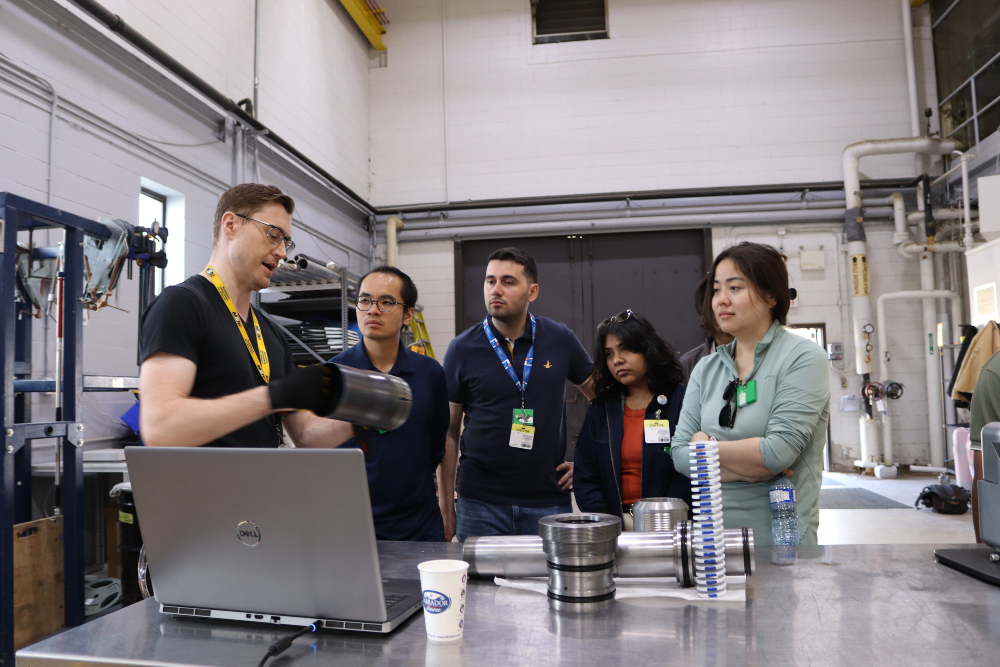
Ontario Tech University graduate students explore the future of nuclear innovation at Canadian Nuclear Laboratories
August 13, 2026
For the third year in a row, 15 master's and PhD students from across Ontario Tech University’s graduate programs travelled to Canadian Nuclear Laboratories (CNL) in Chalk River, Ontario, to participate in the Graduate Immersive Experience offered through CNL’s Academic Partnership Program.

Ontario Tech University and Humber Polytechnic welcome Canada’s first Nuclear Energy Strategy
June 23, 2026
Ontario Tech University and Humber Polytechnic support the Government of Canada’s release of Canada’s first Nuclear Energy Strategy, and its commitment to doubling the size of Canada’s nuclear workforce.
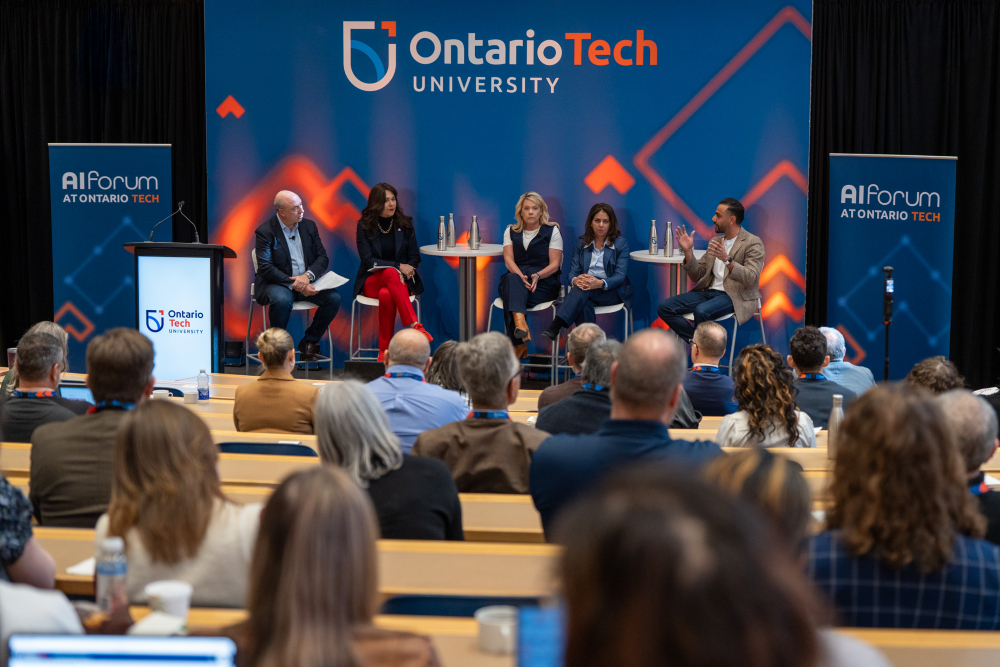
Powering AI: Can Canada’s energy systems meet the growing demand?
May 08, 2026
At Ontario Tech University’s recent AI Forum, the Powering the future – Responsible AI for the Energy Transition panel brought together leaders from across the energy sector to examine a critical question: Can Canada’s energy systems keep pace with the rapid growth of AI?
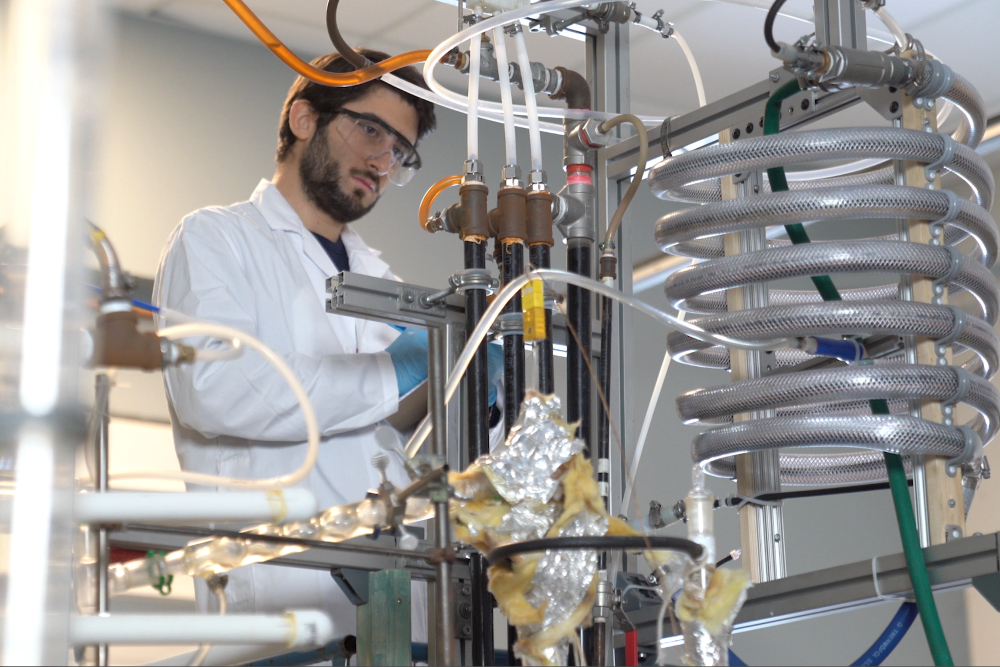
Local post-secondary institutions unite to help form Canadian Energy Workforce Consortium
April 29, 2026
Ontario Tech University and Durham College (DC) have joined forces with three other leading Ontario post-secondary institutions to help meet Canada’s growing clean energy and nuclear workforce demands. Together with Centennial College, Georgian College and Humber Polytechnic, Ontario Tech and DC have officially committed to signing a memorandum of understanding that will establish the Canadian Energy Workforce Consortium (CEWC).

Saskatchewan Polytechnic and Ontario Tech University partner to deliver Nuclear Career Accelerator program in Western Canada
April 28, 2026
With demand for nuclear talent on the rise, Saskatchewan Polytechnic and Ontario Tech University have partnered to deliver the Nuclear Career Accelerator program in Western Canada.

Ontario Tech University: Powering Canada’s energy future
April 27, 2026
As Canada and the Province of Ontario invest in energy, electrification and nuclear innovation, Ontario Tech University is responding with research, talent and solutions that support a reliable and secure energy future.
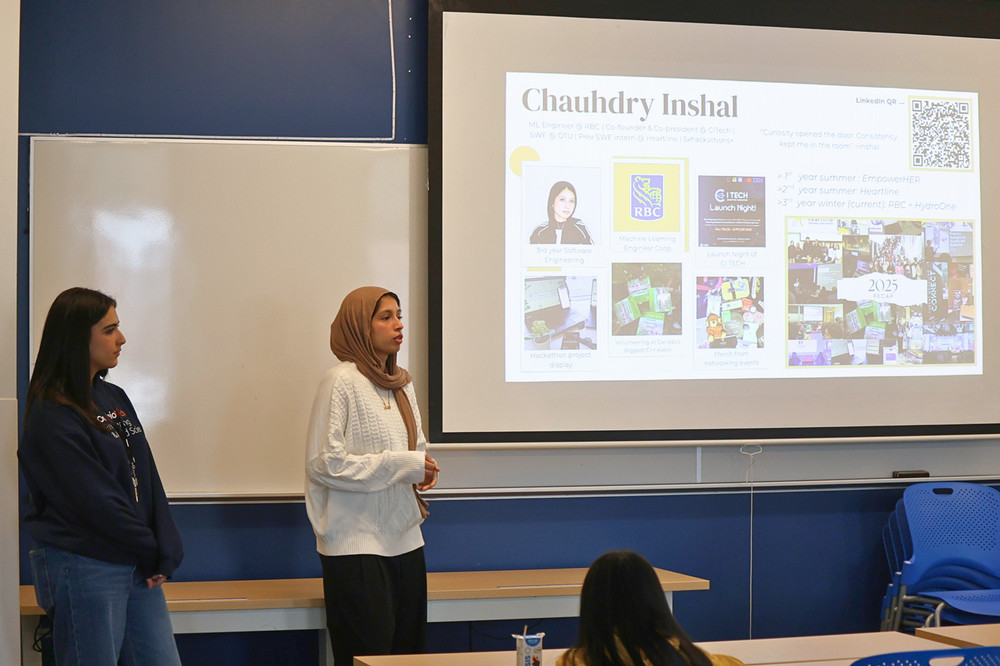
Hydro One presents four Ontario Tech engineering students with prestigious awards
April 21, 2026
Ontario Tech University celebrates four Faculty of Engineering and Applied Science students who have earned Hydro One awards.

Ontario Tech earns recognition for sustainability leadership as global rankings spotlight environmental progress
December 19, 2025
As governments, industries and communities seek practical and affordable pathways to reduce emissions while strengthening economic resilience, Ontario Tech University is gaining recognition for sustainability leadership grounded in real-world results.

Ontario Tech named one of the world’s fastest-rising young universities in new global rankings
December 11, 2025
Ontario Tech University continues its rapid ascent as one of the world’s fastest-rising young universities, earning major international recognition for its research excellence and growing global impact.

What are small modular reactors, and how are they shaping Canada’s low-carbon future?
September 12, 2025
Dr. Kirk Atkinson, Associate Professor in Ontario Tech University’s Faculty of Engineering and Applied Science, explains why SMRs matter, what they mean for communities like Durham Region, and how Ontario Tech is helping lead SMR development in Canada.
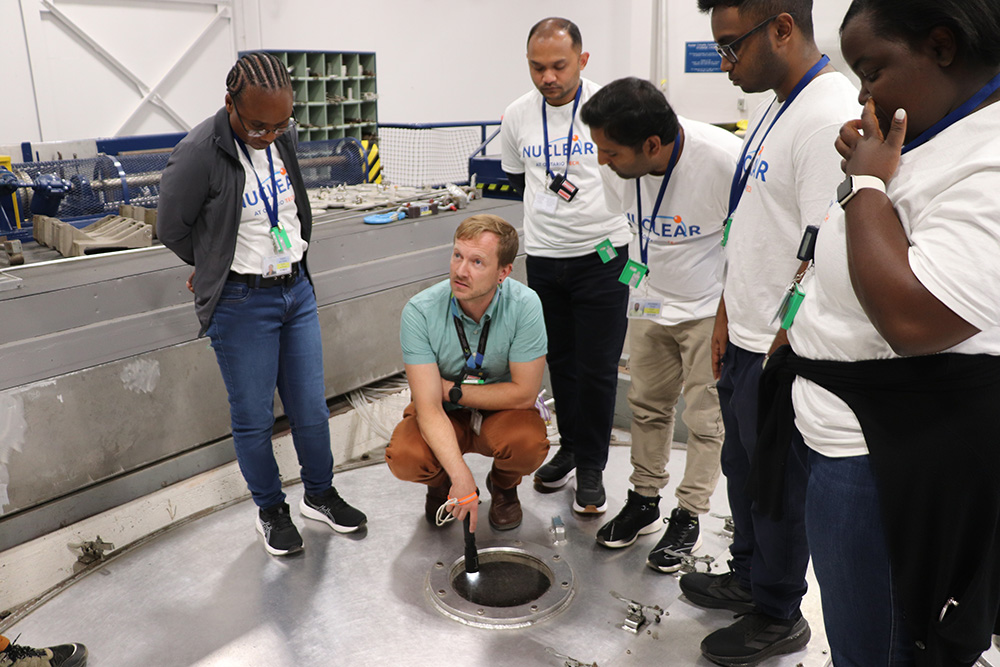
Ontario Tech grad students get a career-building experience at Canada’s top nuclear research lab
September 10, 2025
For the second year in a row, Ontario Tech’s School of Graduate and Postdoctoral Studies organized a visit for 16 Ontario Tech master’s and PhD students from a mix of academic programs spent a week at Canadian Nuclear Laboratories (CNL) in Chalk River, Ontario.
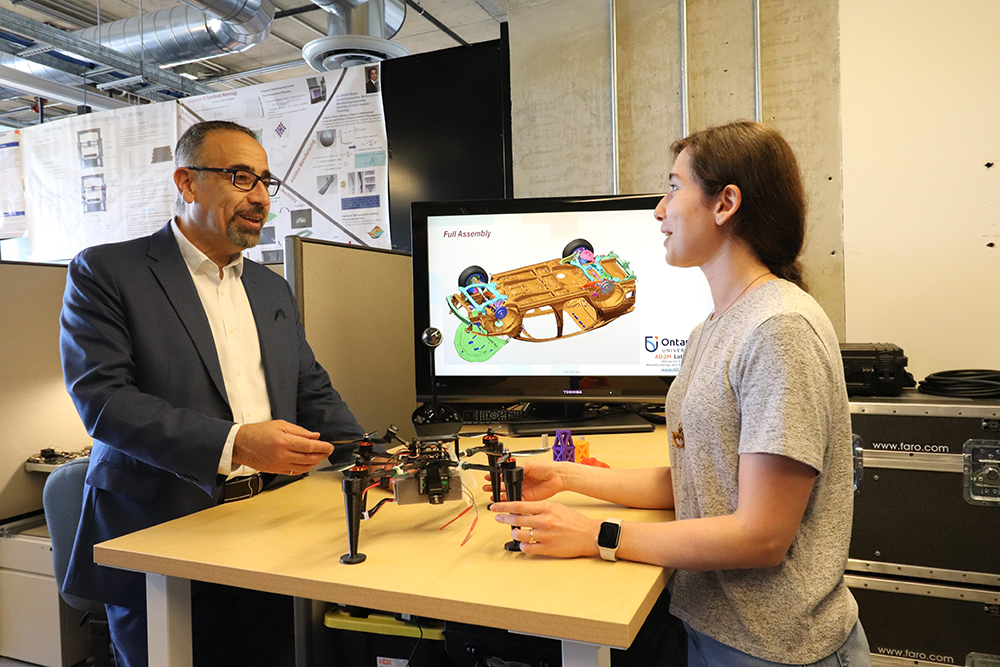
From students to innovators: How Ontario Tech is shaping Canada’s automotive future
September 04, 2025
Dr. Hossam Kishawy, Dean, Faculty of Engineering and Applied Science, provides his thoughts on how engineers lead the charge in creating smarter, greener vehicles.
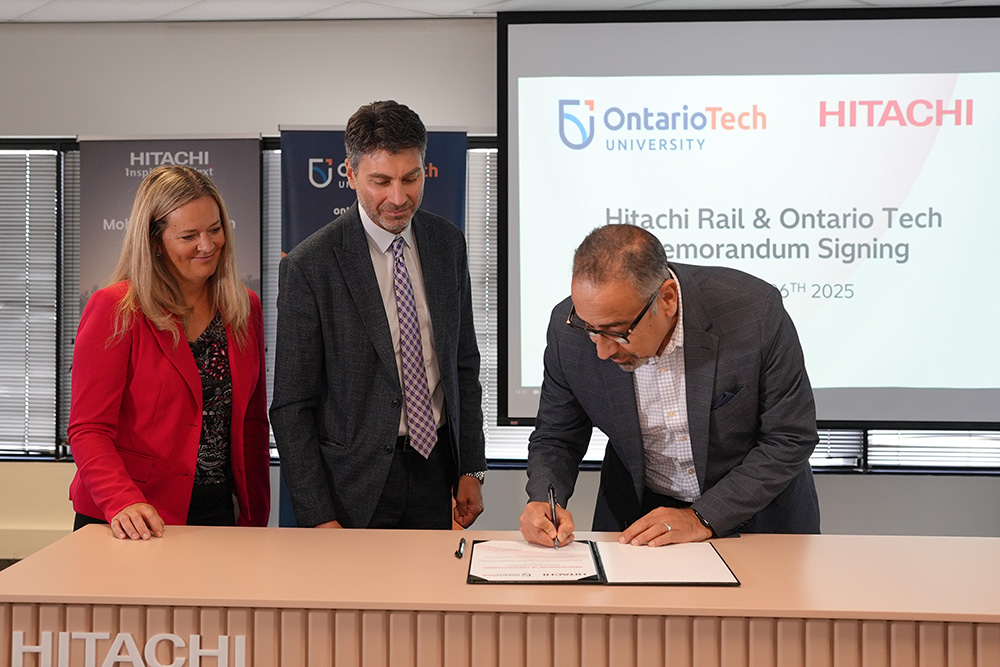
Ontario Tech and Hitachi Rail sign Memorandum of Understanding
August 26, 2025
Ontario Tech University’s Faculty of Engineering of Applied Science has signed a Memorandum of Understanding (MOU) with global mobility leader Hitachi Rail to support a first-of-its-kind in Canada, Railway Engineering specialization program that launches in September.
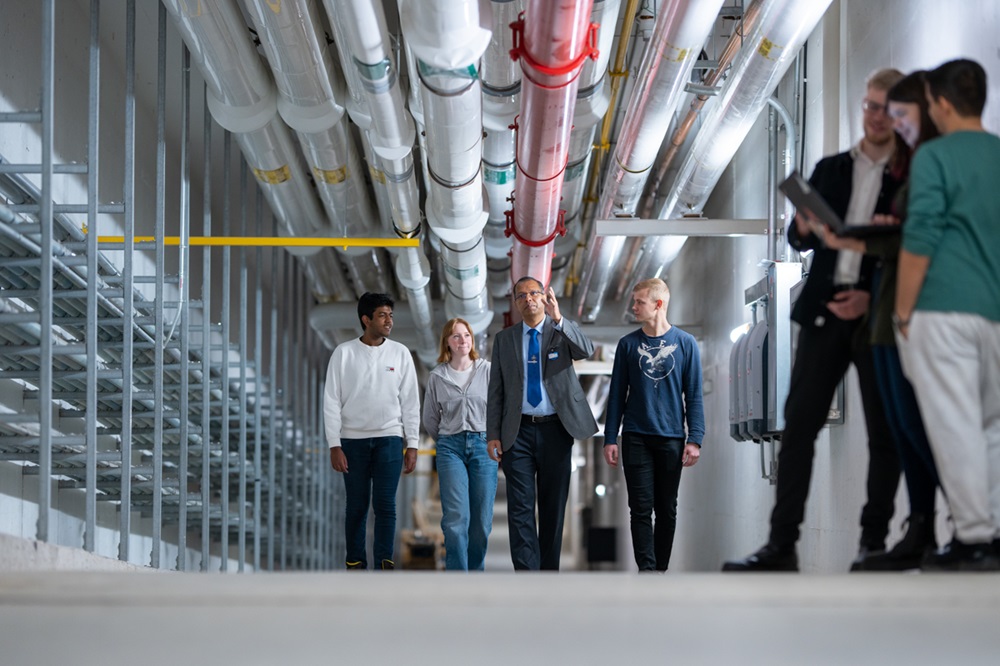
Why nuclear engineers are essential to Canada’s clean-energy future
July 16, 2025
With governments and industries increasingly turning to nuclear power to expand grid capacity and meet clean-energy targets, a leading Ontario Tech University engineering researcher says Canada must act now to build the workforce that will power that future.

From classroom to control room: Ontario Tech fast-tracks mid-career talent into Canada’s nuclear sector
July 15, 2025
Canada’s nuclear sector faces a 30 per cent retirement rate and an expected 20 per cent demand for workforce growth. Ontario Tech has responded with a proactive solution: the Nuclear Career Accelerator. This 12-week rapid upskilling hybrid program, funded by Upskill Canada, powered by Palette Skills, and the Government of Canada, is designed for mid-career engineers and technical professionals.
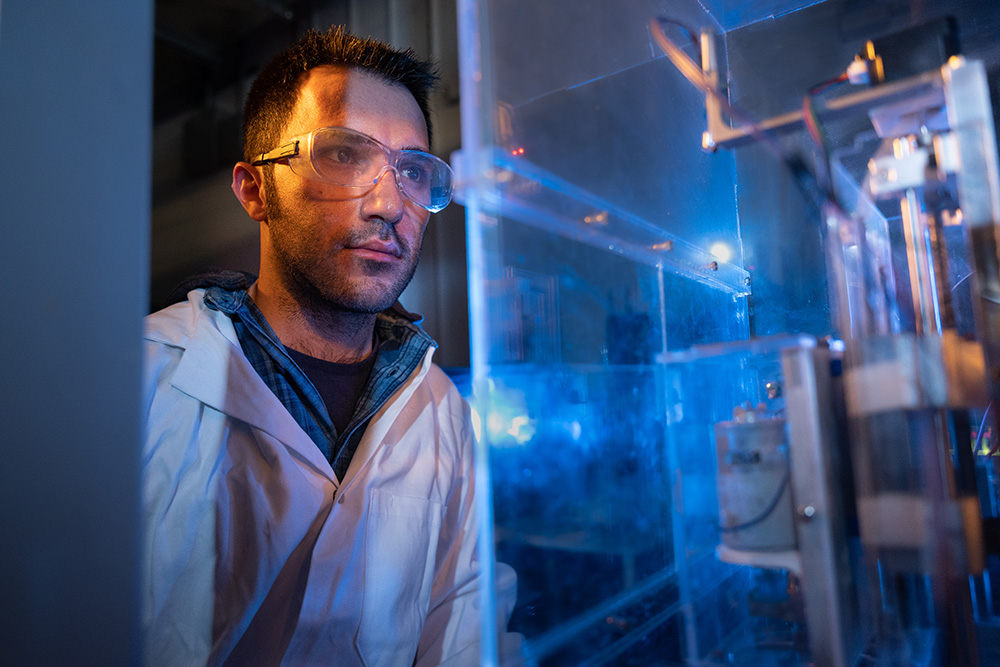
Alstom accelerates railway careers in Canada with new funding for Ontario Tech students
June 11, 2025
Alstom, global leader in smart and sustainable mobility, will provide $106,000 over a three-year period to support Ontario Tech University Engineering students considering careers in the railway industry.
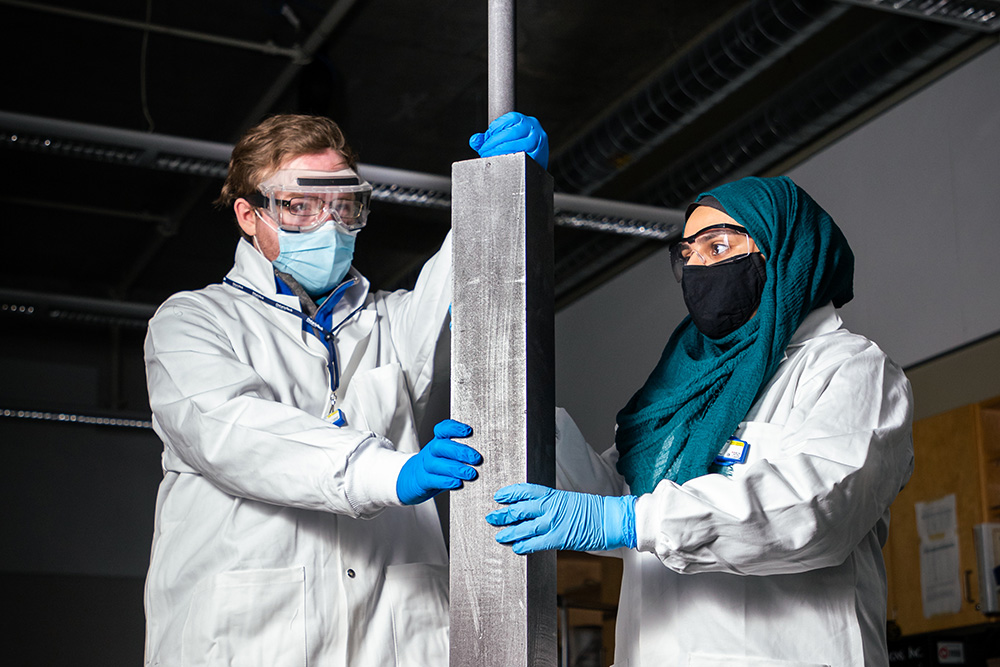
Ontario Tech researchers receive funding from Natural Resources Canada to study nuclear fuel safety and sustainability
April 15, 2025
Ontario Tech University through the Centre for Small Modular Reactors and the Brilliant Energy Institute will play a key role in ensuring Canada’s future nuclear power generation is safe, reliable and sustainable through its participation in a multi-year research study focused on analyzing fuel used in Small Modular Reactors (SMR).

Ontario Tech University exploring the role of nuclear ‘nano reactors’ to widen access to a cleaner and less expensive energy source
April 14, 2025
As Canada moves toward the goal of achieving net-zero emissions by 2050, the demand for energy continues to grow rapidly, driven by population increases, technological advancements and expanding industries. In response, energy researchers at Ontario Tech University are exploring innovative ways to make access to nuclear energy simpler, smaller and more affordable, and enable more communities across Canada to participate in the nation’s clean-energy future.

Project Arrow 2.0: Ontario Tech University’s next bold step into the future of transportation
March 31, 2025
Designated the lead academic institution in Project Arrow’s initial development from 2021 to 2024, Ontario Tech will continue to drive innovation in the next phase as the official research and build partner for Canada’s Automotive Parts Manufacturers’ Association.

Ontario Tech University and Humber Polytechnic unite to power the future of the nuclear energy workforce
February 20, 2025
As Canada expands its energy infrastructure, the demand for a highly skilled nuclear workforce to power the clean energy transition is greater than ever. Ontario Tech University and Humber Polytechnic have joined forces to meet this challenge, combining their unique strengths to prepare the next generation of talent across Ontario, Canada, and the world.

Ontario Tech’s President honoured with prestigious King Charles III Coronation Medal
January 21, 2025
Ontario Tech University proudly celebrates President and Vice-Chancellor Dr. Steven Murphy for receiving the distinguished King Charles Coronation Medal, recognizing his transformative contributions to Ontario, Canada and beyond.

Reflections of 2024: Celebrating success, innovation and community at Ontario Tech University
December 19, 2024
Ontario Tech University celebrates another successful year as it continues to shine brightly as a highly sought-after post-secondary education institution for learning, teaching and working.