From podcast to television: the importance of trust and responsibility in storytelling
Ontario Tech researcher and creator Dr. Emilia King explores what happens when an independent story grows in reach, scale and influence
October 8, 2026
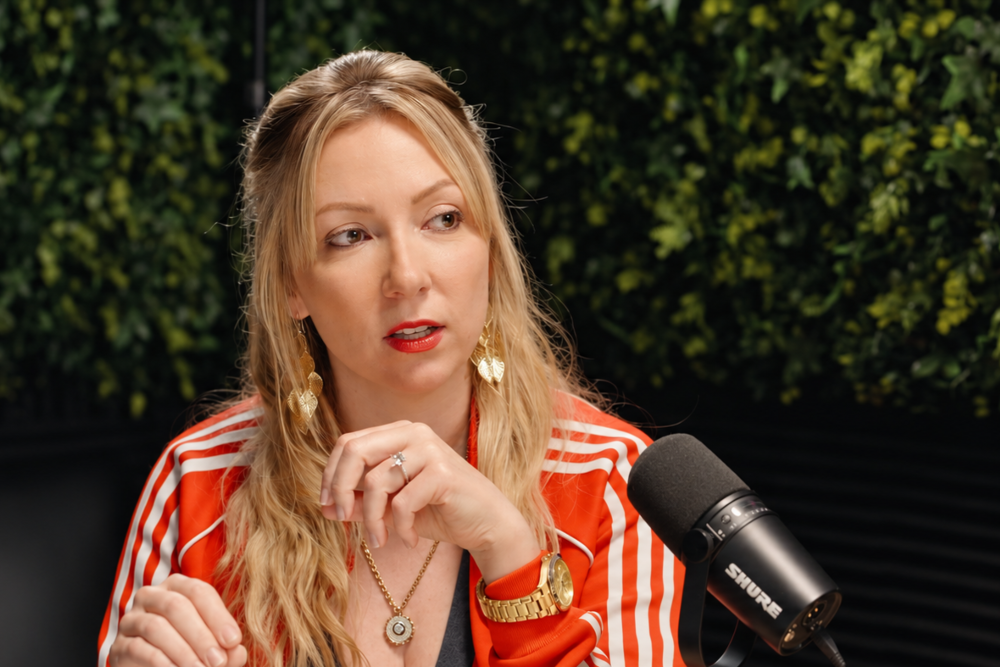
In an era when digital platforms allow stories to spread farther and faster than ever, creators face growing questions about how to expand the reach of their work without compromising the trust, dignity and agency of the people whose experiences make those stories possible.
For Dr. Emilia King, Assistant Professor in Ontario Tech University’s Faculty of Social Science and Humanities, those questions have taken on new significance after the recent adaptation of the 2022 investigative podcast Catch Him if You Can into a four-part Crave Original documentary series, Fool Me Once: Hunting Marcel Vautour.
Co-created through Pink Moon Studio by Dr. King and business partners Dr. Maggie Reid and Evan C. King, Catch Him if You Can followed the case of alleged serial romance scammer Marcel Vautour, and information uncovered through the project contributed to a police investigation.
The project’s evolution reflects a theme that sits at the heart of Dr. King’s research and creative practice: as stories gain reach and influence, creators must remain accountable to the people at their centre.
What changes when a story moves to a new medium
The adaptation of Catch Him if You Can demonstrates podcasting’s potential as a starting point for original stories that can evolve into other formats.
Long-form audio gives contributors room to describe their experiences in their own voices and allows listeners to engage with a story over time, creating opportunities to build familiarity and trust. Podcasting also gives creators the time and independence to build relationships with contributors, explore their experiences in depth and maintain greater creative control.
Bringing the story to television introduces a different set of creative and production realities. The Crave documentary required a more concise approach, while bringing additional collaborators, perspectives and production considerations into the process.
“The barriers to entry in podcasting are much lower than in film and television, but the potential to tell an incredible story is still there,” says Dr. King, who served as executive and associate producer on the Crave documentary. “For independent producers, that creates an opportunity to develop original work, connect with an audience and show what a story can become.”
Putting people at the centre
Investigative storytelling depends on people being willing to share what they know. When a story involves fraud and sensitive personal experiences, that willingness carries particular weight. Contributors may revisit difficult moments or speak about experiences others have dismissed.
As the podcast moved to a national television production, Dr. King remained focused on the ethical principles that informed the original story, including giving contributors agency in how their experiences were represented.
“As researchers, we’re trained to think carefully about ethics: whether consent is ongoing, who benefits from the work, who might be harmed and what the consequences could be for the people involved,” she says. “That training shaped how I approached this story and the responsibility I felt toward the people sharing their experiences. It was my guiding light.”
Creators must consider how to develop and sustain their work, navigate partnerships and rights, and make decisions as a project moves into a different production environment. When stories are drawn from real lives, those decisions also raise questions about representation and responsibility, particularly when traditional editorial guardrails may not exist.
“When you publish independently online, you often do not have an editor or an institution holding you accountable,” says Dr. King. “You have to bring that discipline yourself. The freedom to tell a story comes with a great responsibility to the people who trust you with it.”
Storytelling with a conscience
Dr. King’s work connects Ontario Tech’s tech with a conscience ethos to the everyday choices involved in making media. Digital platforms open pathways for independent creators to reach audiences and develop new opportunities, but creators must also consider how those tools are used, and the impact their choices can have on others.
These experiences now inform her teaching, her work with Ontario Tech’s Creators4Change Studio and the new Master of Social Media Communication in Online Creators (The Creator MA), which she led in designing. In the classroom, she encourages emerging creators to develop compelling work while remaining grounded in the values and principles that guide their decisions.
More news
Ready for tomorrow’s careers.
We prepare our students for the fast-paced, ever-evolving world of technology.